Texas Health and Human Services

TX HHS Form 0066. Request for Authorized Electronic Monitoring
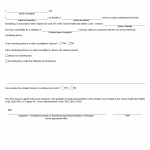
TX HHS Form 0066. Request for Authorized Electronic Monitoring

The “Request for Authorized Electronic Monitoring” form is a short but legally significant document used in Texas long-term care facilities. It allows a resident—or a legal representative acting on their behalf—to formally authorize the use of an electronic monitoring device, such as a video camera, inside the resident’s room. Although the form looks simple, it triggers specific rights and obligations under Texas Health and Safety Code Chapters 242 and 247.
TX HHS Form 0067. Consent by Roommate for Authorized Electronic Monitoring

TX HHS Form 0067. Consent by Roommate for Authorized Electronic Monitoring

The TX HHS Form 0067, Consent by Roommate for Authorized Electronic Monitoring, is a crucial document that helps resolve issues related to privacy rights in shared living spaces. This form enables roommates or legal representatives to grant consent for electronic monitoring devices to be used in the facility, as per Texas Health and Safety Code Chapter 242 and 247.

TX HHS Form 0702. Fax Cover Sheet for TxHmL and HCS

TX HHS Form 0702. Fax Cover Sheet for TxHmL and HCS

The TX HHS Form 0702, Fax Cover Sheet for TxHmL and HCS, is a crucial document that facilitates the transfer, continuation of suspension, or termination of waiver program services. This form helps solve the problem of efficiently managing changes in service provision for individuals receiving Home and Community-based Services (HCS) or Texas Home Living (TxHmL). The form is typically used by Service Coordinators, Local Authorities, and other authorized representatives to submit requests to the Texas Health and Human Services (HHS) agency.

TX HHS Form 1680. Texas Money Follows the Person Demonstration Grant Expenditure Report

TX HHS Form 1680. Texas Money Follows the Person Demonstration Grant Expenditure Report

The Texas Money Follows the Person Demonstration Grant Expenditure Report (Form 1680) is a crucial tool for Local Intellectual and Developmental Disability Authorities (LIDDAs) to track and report their expenditures under the Enhanced Community Coordination and Transition Support Teams. This form helps LIDDAs ensure compliance with federal regulations and demonstrates the effective use of funds allocated for the Money Follows the Person Demonstration Program.

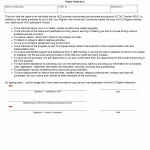
TX HHS Form 1681. Home and Community-based Services (HCS)

TX HHS Form 1681. Home and Community-based Services (HCS)

The TX HHS Form 1681, Home and Community-based Services (HCS) Rights Addendum, is a crucial document that helps ensure the rights of individuals receiving home and community-based services are protected and promoted. This form is used in situations where an individual requires assistance with daily living activities or has a disability, and is typically filled out by the individual themselves or their legal representative.

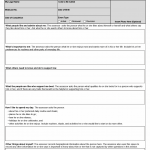
TX HHS Form 1701. Support Plan Narrative

TX HHS Form 1701. Support Plan Narrative

The TX HHS Form 1701 Support Plan Narrative is a crucial document that helps individuals create a personalized support plan. This form is typically filled out by the individual themselves, in collaboration with an assessor or care provider, to identify their strengths, preferences, and needs. The goal of this form is to provide a comprehensive understanding of the individual's situation, enabling them to receive tailored support and services.

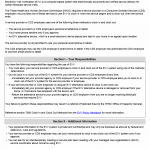
TX HHS Form 1718. Electronic Visit Verification (EVV) Responsibilities and Additional Information (Managed Care Organization)

TX HHS Form 1718. Electronic Visit Verification (EVV) Responsibilities and Additional Information (Managed Care Organization)

The TX HHS Form 1718, Electronic Visit Verification (EVV) Responsibilities and Additional Information, is a crucial document for managed care organizations that provides electronic documentation and verification of service delivery for certain Medicaid services. This form helps solve the problem of ensuring accurate and timely recording of service visits, which is essential for maintaining transparency and accountability in healthcare services.