Texas Health and Human Services

TX HHS Form 2954. Child Care Licensing Family Violence Calls Disclosure

TX HHS Form 2954. Child Care Licensing Family Violence Calls Disclosure

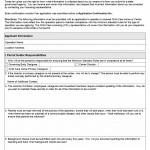
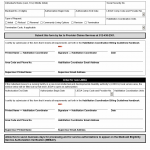
The TX HHS Form 2954, Child Care Licensing Family Violence Calls Disclosure, is a crucial document for prospective foster parents to complete during the home study process. This form helps solve the problem of documenting law enforcement service calls involving family violence at the applicant's residence in the 24 months preceding their application to become a foster home.

TX HHS Form 2960. CCR Application for a License to Operate a Residential Child Care Facility
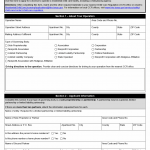
TX HHS Form 2960. CCR Application for a License to Operate a Residential Child Care Facility

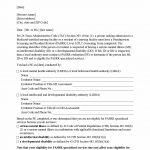
Form 2960 is the official application required to obtain a license to operate a Residential Child Care Facility (RCCF) or Child-Placing Agency in Texas. This document is not a simple registration form — it is the foundation of your regulatory relationship with Child Care Regulation (CCR), determining whether you are eligible to care for children in a residential setting.

TX HHS Form 2960 Attachment A. CCR Application for a License to Operate a Residential Child Care Facility

TX HHS Form 2960. CCR Application for a License to Operate a Residential Child Care Facility

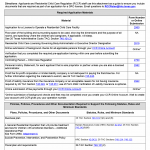
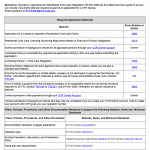
Form 2960 Attachment A is a detailed checklist used in Texas when applying for a license to operate a General Residential Operation (GRO). These facilities provide 24-hour care for children, including residential treatment centers, emergency shelters, and operations serving children with emotional disorders. This attachment helps applicants ensure they submit all required documents, policies, and supporting materials before the Residential Child Care Regulation (RCCR) division reviews the application.

TX HHS Form 2960 Attachment B. CCR Application for a License to Operate a Residential Child Care Facility

TX HHS Form 2960. CCR Application for a License to Operate a Residential Child Care Facility

Form 2960 Attachment B is an essential guide for applicants seeking a license to operate a Residential Child Care Facility (RCCF) in Texas. This attachment provides detailed instructions on required documentation, ensuring that applicants submit a complete application in compliance with Texas Health and Human Services Commission (HHSC) regulations.

TX HHS Form 2960 Attachment C. CCR Application for a License to Operate a Residential Child Care Facility

TX HHS Form 2960. CCR Application for a License to Operate a Residential Child Care Facility

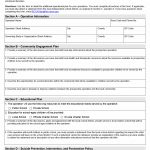
Form 2960 Attachment C is a required supplement to the application for operating a general residential operation (GRO) in Texas that provides treatment services to children with emotional disorders. It outlines the additional operational details necessary for approval by the Texas Health and Human Services (HHS) Child Care Regulation (CCR) division.

TX HHS Form 2948. Plan of Operation for Licensed Center and Home Operations

TX HHS Form 2948. Plan of Operation for Licensed Center and Home Operations

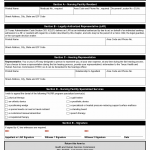
Form 2948 is a core document required for anyone seeking to operate a Licensed Child Care Center or a Licensed Child Care Home in Texas. It outlines how the applicant plans to meet the state’s minimum standards for child safety, staff qualifications, recordkeeping, physical space, and communication with families. While the form may appear straightforward at first glance, it reflects a detailed set of regulatory expectations found in the Texas Human Resources Code and 26 TAC (Texas Administrative Code) Chapters 744, 746, and 747.

Tags: 

TX HHS Form 2362. Receipt Certification by a Qualified Rehabilitation Professional

TX HHS Form 2362. Receipt Certification by a Qualified Rehabilitation Professional

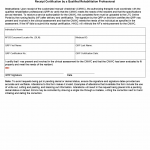
The TX HHS Form 2362, Receipt Certification by a Qualified Rehabilitation Professional, is a crucial document that helps ensure the proper delivery and certification of customized manual wheelchairs (CMWCs) to residents in nursing facilities. This form is used when a CMWC is provided to a resident, and it requires the authorizing therapist to coordinate with a qualified rehabilitation professional (QRP) to verify that the wheelchair meets the resident's needs.